
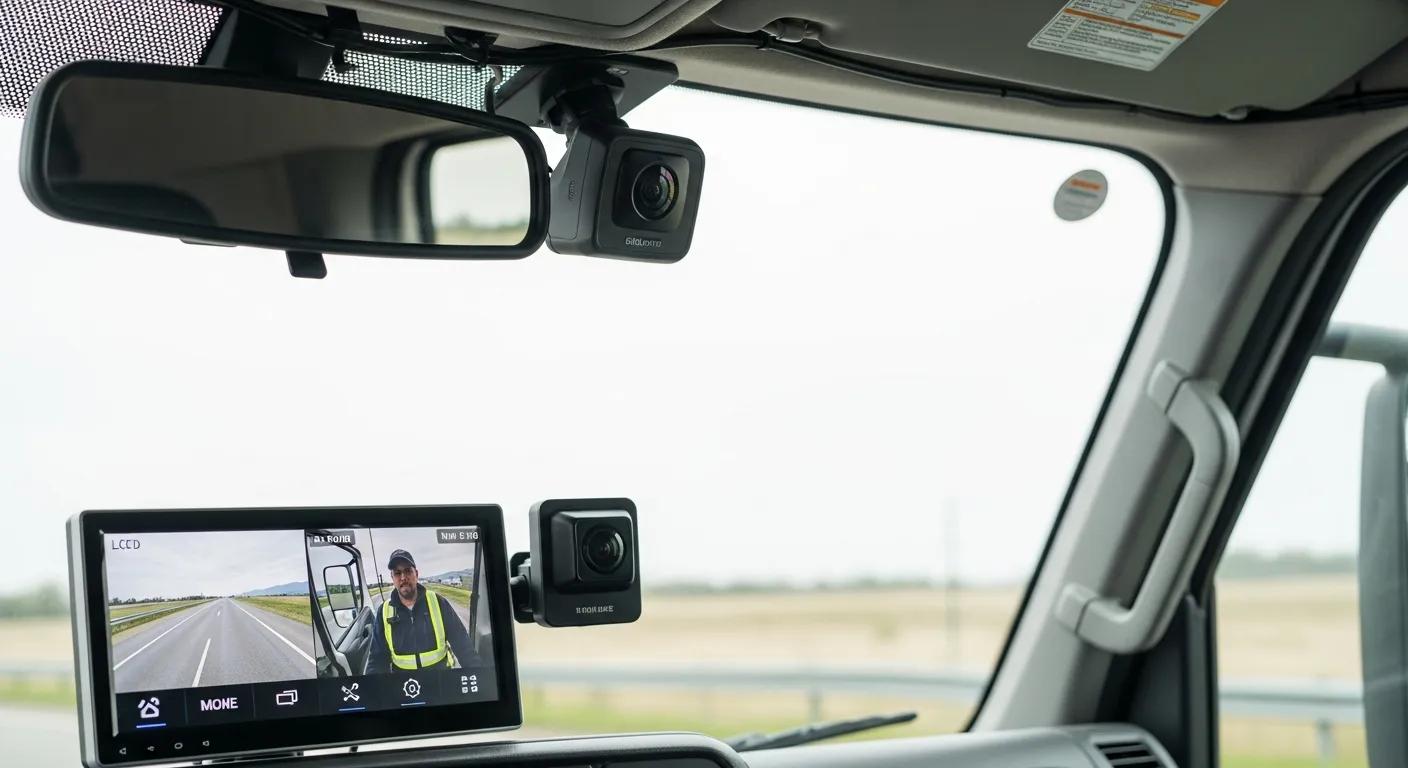
How to Choose the Best Fleet Camera System
How to Choose the Best Fleet Camera System
Selecting the right fleet camera system is crucial for enhancing safety, improving operational efficiency, and ensuring compliance with regulations. With a variety of options available, understanding the essential features and capabilities of these systems can significantly impact your decision-making process. This article will guide you through the key considerations for choosing the best fleet camera system, including the types of cameras, integration with GPS tracking, installation considerations, and the benefits of video telematics. By the end, you will have a comprehensive understanding of how to evaluate and select a fleet camera system that meets your specific needs.
Essential Features of Fleet Dash Camera Systems
When choosing a fleet dash camera system, several essential features should be considered to ensure optimal performance and reliability. Key features include video quality, storage capacity, and integration capabilities.
- Video Quality: High-definition video recording is crucial for capturing clear images and details during incidents. Look for systems that offer at least 1080p resolution to ensure clarity.
- Storage Capacity: Adequate storage is necessary to retain video footage for review. Systems should provide options for cloud storage or local storage solutions that can accommodate extended periods of recording.
- Integration Capabilities: The ability to integrate with existing fleet management systems and GPS tracking is vital for maximizing the utility of the camera system.
Safety Track offers advanced fleet camera systems that incorporate these essential features, ensuring that your fleet is equipped with the best technology available.
Which Camera Types and Video Capabilities Improve Driver Safety?
Different camera types and their video capabilities play a significant role in enhancing driver safety. High-definition video recording, multi-camera systems, and AI integration are among the most impactful features.
- High-Definition Video Recording: Cameras that record in high definition provide clearer images, which are essential for identifying details in the event of an accident.
- Multi-Camera Systems: Utilizing multiple cameras can offer a 360-degree view of the vehicle, capturing various angles and reducing blind spots.
- AI Integration: Advanced systems with AI capabilities can analyze driving behavior in real-time, providing alerts for unsafe practices and improving overall driver safety.
These features collectively contribute to a safer driving environment, reducing the likelihood of accidents and enhancing accountability.
Further research highlights how AI-powered driver monitoring systems are continuously advancing to assess driver behavior and enhance road safety.
AI Driver Monitoring for Enhanced Fleet Safety
This paper presents an advanced AI-powered Driver Monitoring System designed to continuously assess driver behavior, fatigue, distractions, and emotional state across various driving conditions. By providing real-time alerts and insights to vehicle owners, fleet operators, and safety personnel, the system significantly enhances road safety.
AI-Powered Intelligent Cognitive Lens for Driver Monitoring for Safe Transportation and Increased Fleet Efficiency Abstract, 2026
Integrating GPS Tracking and Video Telematics in Fleet Management
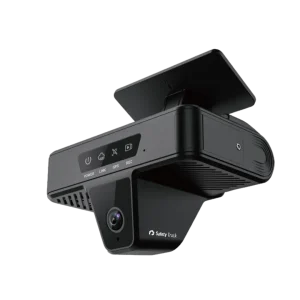
The integration of GPS tracking with video telematics is a game-changer for fleet management. This combination allows for real-time monitoring, data synchronization, and improved accountability.
- Real-Time Monitoring: Fleet managers can track vehicle locations and monitor driving behaviors in real-time, enabling immediate responses to unsafe practices.
- Data Synchronization: Integrating video footage with GPS data allows for a comprehensive view of incidents, providing context to events captured on camera.
- Improved Accountability: With both video and GPS data, fleet managers can hold drivers accountable for their actions, leading to improved safety and compliance.
This integration not only enhances safety but also streamlines fleet operations, making it easier to manage resources effectively.
How to Compare Wired and Wireless Fleet Camera Systems?
When evaluating fleet camera systems, comparing wired and wireless options is essential. Each type has its advantages and disadvantages that can impact installation, reliability, and overall performance.
- Installation Ease: Wireless systems are generally easier to install, as they do not require extensive wiring. This can save time and labor costs during setup.
- Power Source Stability: Wired systems often provide a more stable power source, reducing the risk of interruptions due to battery failures.
- Cost Considerations: While wireless systems may have lower initial installation costs, wired systems can offer long-term savings through reduced maintenance and increased reliability.
Understanding these differences can help fleet managers make informed decisions based on their specific operational needs.
What Are the Installation and Maintenance Considerations for Each Type?
Installation and maintenance are critical factors to consider when selecting a fleet camera system. Each type of system presents unique challenges and requirements.
- Installation Complexity: Wired systems may require professional installation due to the need for wiring, while wireless systems can often be installed by fleet personnel.
- Maintenance Needs: Regular maintenance is essential for both types of systems. Wired systems may require less frequent maintenance, while wireless systems may need battery replacements and software updates.
- Durability: Consider the environmental conditions in which the cameras will operate. Systems designed for harsh conditions will require robust construction to withstand elements like moisture and temperature fluctuations.
By addressing these considerations, fleet managers can ensure that their camera systems remain functional and effective over time.
Which Connectivity Options Offer the Best Reliability and Scalability?
Connectivity options are vital for ensuring that fleet camera systems operate reliably and can scale with the needs of the fleet.
- Network Certifications: Look for systems that are certified for use on various networks, ensuring compatibility and reliability.
- 5G Capabilities: Systems equipped with 5G technology can provide faster data transmission, enhancing real-time monitoring and video streaming capabilities.
- Dual SIM Technology: This feature allows for seamless connectivity by switching between networks, ensuring that the system remains operational even in areas with poor signal strength.
Choosing the right connectivity options can significantly enhance the performance and scalability of fleet camera systems.
What Are the Best Practices for Fleet Camera Installation?
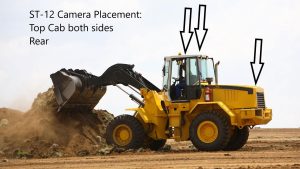
Implementing best practices during the installation of fleet cameras can optimize their effectiveness and longevity.
- Planning Camera Placements: Strategically position cameras to cover critical areas of the vehicle, ensuring unobstructed views.
- Testing Functionality: After installation, conduct thorough tests to ensure that all cameras are functioning correctly and capturing the intended footage.
- Regular Maintenance: Schedule routine checks to clean lenses and update software, ensuring that the system operates at peak performance.
Following these best practices can help maximize the benefits of fleet camera systems.
How Does Proper Camera Placement Enhance Video Quality and Coverage?
Proper camera placement is essential for maximizing video quality and coverage. maximizing video quality
- Unobstructed Views: Cameras should be mounted in locations that provide clear views of the road and surroundings, minimizing obstructions from vehicle components.
- Secure Mounting: Ensuring that cameras are securely mounted prevents vibrations and movement that can affect video quality.
- Regular Inspections: Conducting regular inspections of camera placements can help identify any issues that may arise over time, ensuring consistent performance.
By focusing on camera placement, fleet managers can enhance the effectiveness of their video surveillance systems.
What Are the Key Steps to Ensure Easy Installation and System Integration?
To facilitate easy installation and integration of fleet camera systems, several key steps should be followed.
- Utilize Installation Guides: Refer to manufacturer-provided installation guides to ensure proper setup.
- Evaluate Compatibility: Before installation, assess the compatibility of the camera system with existing fleet management software and hardware.
- Test Integration: After installation, conduct tests to ensure that the camera system integrates seamlessly with other fleet management tools.
These steps can streamline the installation process and enhance the overall functionality of the fleet camera system.
How Do Fleet Camera Systems Deliver Safety and Compliance Benefits?
Fleet camera systems provide significant safety and compliance benefits that can enhance overall fleet operations.
- Documentation of Incidents: Cameras capture video evidence of incidents, which can be crucial for insurance claims and legal matters.
- Proactive Risk Management: By monitoring driver behavior, fleet managers can identify and address risky practices before they lead to accidents.
- Training and Accountability: Video footage can be used for training purposes, helping drivers learn from past mistakes and improve their driving habits.
These benefits contribute to a safer driving environment and help ensure compliance with industry regulations.
In What Ways Do Cameras Improve Driver Behavior and Accident Prevention?
Cameras play a vital role in improving driver behavior and preventing accidents.
- Real-Time Monitoring: Continuous monitoring allows fleet managers to provide immediate feedback to drivers, reinforcing safe driving practices.
- Accountability: Knowing that they are being recorded encourages drivers to adhere to safety protocols and regulations.
- Deterrent Against Reckless Driving: The presence of cameras can deter reckless driving behaviors, leading to a reduction in accidents.
By fostering a culture of accountability, fleet camera systems can significantly enhance driver safety.
What Are the Relevant Compliance Standards and How Do Cameras Support Them?
Fleet camera systems can help organizations meet various compliance standards relevant to the transportation industry.
- Safety Regulations: Cameras assist in documenting compliance with safety regulations, providing evidence during audits.
- Documentation for Audits: Video footage can serve as documentation for compliance audits, demonstrating adherence to industry standards.
- Monitoring Driver Behavior: Cameras can help ensure that drivers follow regulations related to hours of service and safe driving practices.
By supporting compliance efforts, fleet camera systems can mitigate risks and enhance operational integrity.
What Is the Cost and Return on Investment of Fleet Camera Systems?
Understanding the costs and potential return on investment (ROI) of fleet camera systems is crucial for making informed purchasing decisions.
- Initial Costs: The upfront costs of purchasing and installing fleet camera systems can vary widely based on features and capabilities.
- Potential Savings: Implementing a fleet camera system can lead to savings through reduced accident rates, lower insurance premiums, and improved operational efficiency.
- ROI Calculations: Fleet managers should calculate the expected ROI by comparing the costs of the system against the anticipated savings over time.
By carefully evaluating these factors, organizations can make strategic investments in fleet camera technology.
How Do Pricing Models Vary by Features and Fleet Size?
Pricing models for fleet camera systems can vary significantly based on features and the size of the fleet.
- Feature-Based Pricing: Systems with advanced features, such as AI integration and multi-camera setups, typically come at a higher price point.
- Fleet Size Considerations: Larger fleets may benefit from bulk pricing or subscription models that reduce overall costs per vehicle.
- Long-Term Costs: It’s essential to consider not only the initial purchase price but also ongoing costs related to maintenance, storage, and software updates.
Understanding these pricing dynamics can help fleet managers select the most cost-effective solutions for their needs.
What Are the Measurable Efficiency and Safety Gains That Justify Investment?
Investing in fleet camera systems can yield measurable efficiency and safety gains that justify the initial expenditure.
- Reduction in Accidents: Organizations that implement fleet camera systems often see a significant decrease in accident rates, leading to lower costs associated with vehicle repairs and insurance claims.
- Lower Insurance Premiums: Many insurance providers offer discounts for fleets equipped with camera systems, recognizing the reduced risk associated with their use.
- Increased Productivity: Enhanced monitoring and accountability can lead to improved driver performance and overall fleet productivity.
These gains highlight the value of investing in advanced fleet camera technology.
Which Fleet Camera Systems Have Proven Success in Commercial Vehicle Applications?
Several fleet camera systems have demonstrated success in commercial vehicle applications, providing reliable performance and valuable features.
- High-Definition Options: Systems that offer high-definition recording capabilities are particularly effective in capturing clear footage for incident analysis.
- AI Capabilities: Fleet camera systems with AI integration can analyze driving behavior and provide actionable insights for improvement.
- Customer Success Stories: Many organizations have reported significant safety improvements and operational benefits after implementing advanced fleet camera systems.
These successful implementations underscore the importance of selecting a proven system for commercial applications.
What Do Customer Reviews and Testimonials Reveal About System Performance?
Customer reviews and testimonials can provide valuable insights into the performance of fleet camera systems.
- Performance Improvements: Many users report enhanced safety and reduced accident rates after implementing fleet camera systems.
- Customer Satisfaction: Positive feedback often highlights the ease of use and effectiveness of the systems in real-world applications.
- Operational Excellence: Testimonials frequently mention improvements in overall fleet management and driver accountability.
These insights can help prospective buyers make informed decisions based on the experiences of others.
How Have Case Studies Demonstrated Safety Improvements and Operational Benefits?
Case studies showcasing the implementation of fleet camera systems can illustrate the tangible benefits of these technologies.
- Quantifiable Safety Improvements: Many case studies report significant reductions in accident rates and associated costs after adopting fleet camera systems.
- Operational Efficiency Gains: Organizations often experience improved fleet management and resource allocation as a result of enhanced monitoring capabilities.
- Industry-Specific Examples: Various industries, from transportation to logistics, have successfully utilized fleet camera systems to achieve safety and operational goals.
These case studies provide compelling evidence of the effectiveness of fleet camera systems in diverse applications.
What Are the Frequently Asked Questions About Choosing Fleet Camera Systems?
When selecting fleet camera systems, several common questions arise that can guide decision-making.
- What is the installation process like?: Installation can vary based on the system type, with wireless systems generally being easier to set up.
- What are the cost benefits?: Fleet camera systems can lead to significant savings through reduced accidents and lower insurance premiums.
- How do integration capabilities work?: Many systems can integrate with existing fleet management software, enhancing overall functionality.
Addressing these questions can help fleet managers navigate the selection process more effectively.
What Features Should Fleet Managers Prioritize When Selecting Cameras?
Fleet managers should prioritize specific features when selecting camera systems to ensure they meet operational needs.
- Camera Type: Consider whether a single or multi-camera system is more appropriate for your fleet’s requirements.
- Video Quality: High-definition recording is essential for capturing clear footage during incidents.
- Real-Time Monitoring: Systems that offer real-time monitoring capabilities can enhance safety and accountability.
By focusing on these key features, fleet managers can make informed decisions that align with their operational goals.
How Is Video Data Stored, Accessed, and Secured?
Understanding how video data is stored, accessed, and secured is crucial for fleet camera systems.
- Data Encryption: Ensuring that video footage is encrypted protects sensitive information from unauthorized access.
- Access Controls: Implementing strict access controls can help manage who can view and manage video data.
- Retention Policies: Establishing clear retention policies ensures that video footage is stored for the appropriate duration based on regulatory requirements.
These considerations are essential for maintaining the integrity and security of video data.
How to Implement Structured Data and Visual Assets for Fleet Camera System Content?
Implementing structured data and visual assets can enhance the effectiveness of content related to fleet camera systems.
- Define Clear Goals: Establish specific objectives for what you want to achieve with your content.
- Choose the Right System: Select a structured data system that aligns with your content goals and audience needs.
- Develop a Roll-Out Strategy: Plan how to implement structured data and visual assets effectively to maximize impact.
By following these steps, organizations can improve the visibility and effectiveness of their fleet camera system content.
Which Schema.org Markup Types Enhance Search Engine Understanding?
Utilizing appropriate Schema.org markup types can enhance search engine understanding of fleet camera system content.
- Organization Schema: This markup helps search engines understand the organization behind the content.
- Product Schema: Using product schema can provide detailed information about specific fleet camera systems.
- FAQPage Schema: Implementing FAQPage schema can help structure common questions and answers related to fleet camera systems.
These markup types can improve search engine optimization and enhance content visibility.
What Are Best Practices for Image Filenames and ALT Text in Fleet Camera Content?
Optimizing image filenames and ALT text is essential for improving the visibility of fleet camera content.
- Descriptive Filenames: Use clear and descriptive filenames that accurately reflect the content of the images.
- Relevant ALT Text: Implement ALT text that describes the image content, enhancing accessibility and search engine understanding.
By following these best practices, organizations can improve the SEO performance of their fleet camera system content.
Jeff Stoker is the CEO and founder of Safety Track, a company he established in 2002. With over two decades of leadership in fleet management solutions, Jeff has guided Safety Track from a pioneering vision to a trusted industry leader. His innovative mindset and commitment to excellence continue to drive the company’s growth and impact.